أنشئ حسابك الآن للتعرّف على خيارات الاشتراك والوصول إلى جميع المقالات المميزة والحصرية، واستمتع بتجربة قراءة من دون إعلانات.
View this post on Instagram In 2010, Steve Jobs said, “I’m going to destroy Android.” Thank goodness he failed. Although Apple sparked the modern smartphone revolution, Android was the essential ingredient that made the devices ubiquitous and brought the world online. In 2010, the iPhone represented about 15% of the 175 million smartphones sold worldwide. Fast-forward to today, and Apple still has about 15% of the market, but total smartphone sales have mushroomed to 1.4 billion. Versions of Android power more than 8 in 10 new devices. In a new piece for @businessweek, @bloombergopinion's Shira Ovide explains how Samsung played a major role: "Samsung’s success benefited the whole Android alliance. In 2012 sales of Android phones were six times the level of two years earlier, and they outsold iPhones 4 to 1." A post shared by Bloomberg Business (@bloombergbusiness) on Aug 8, 2019 at 7:00am PDT
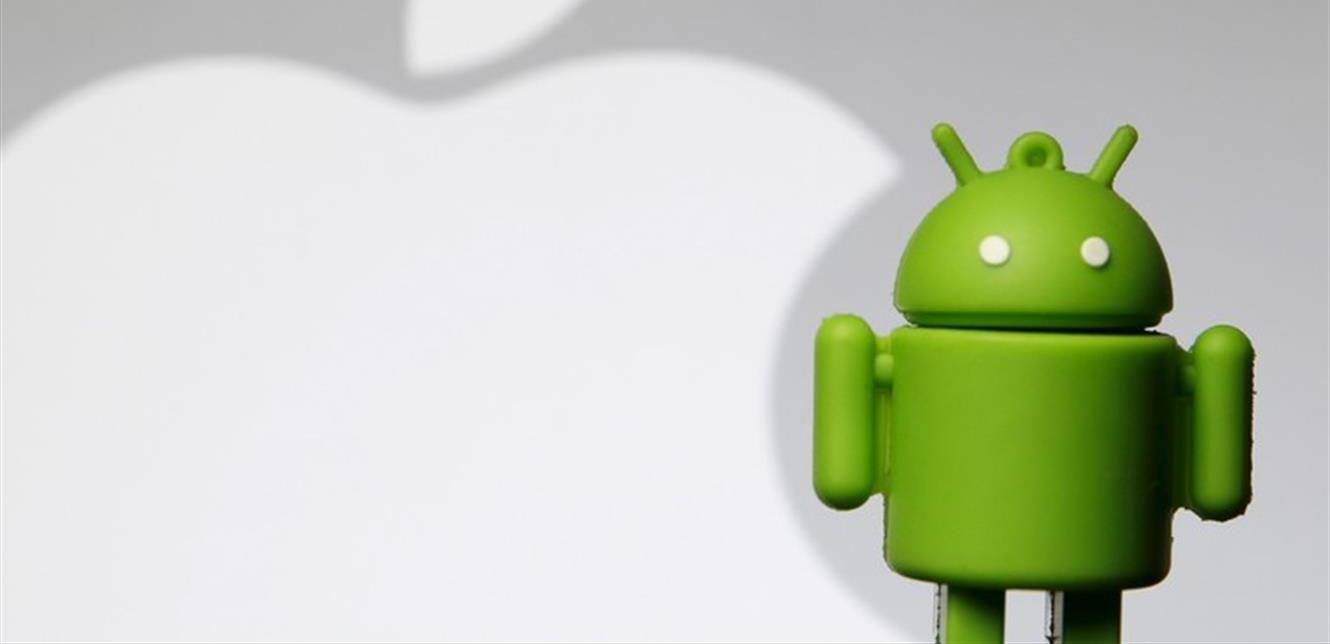
In 2010, Steve Jobs said, “I’m going to destroy Android.” Thank goodness he failed. Although Apple sparked the modern smartphone revolution, Android was the essential ingredient that made the devices ubiquitous and brought the world online. In 2010, the iPhone represented about 15% of the 175 million smartphones sold worldwide. Fast-forward to today, and Apple still has about 15% of the market, but total smartphone sales have mushroomed to 1.4 billion. Versions of Android power more than 8 in 10 new devices. In a new piece for @businessweek, @bloombergopinion's Shira Ovide explains how Samsung played a major role: "Samsung’s success benefited the whole Android alliance. In 2012 sales of Android phones were six times the level of two years earlier, and they outsold iPhones 4 to 1."
A post shared by Bloomberg Business (@bloombergbusiness) on Aug 8, 2019 at 7:00am PDT
 photos
0